Ojo
Ojo
DESCRIPTION
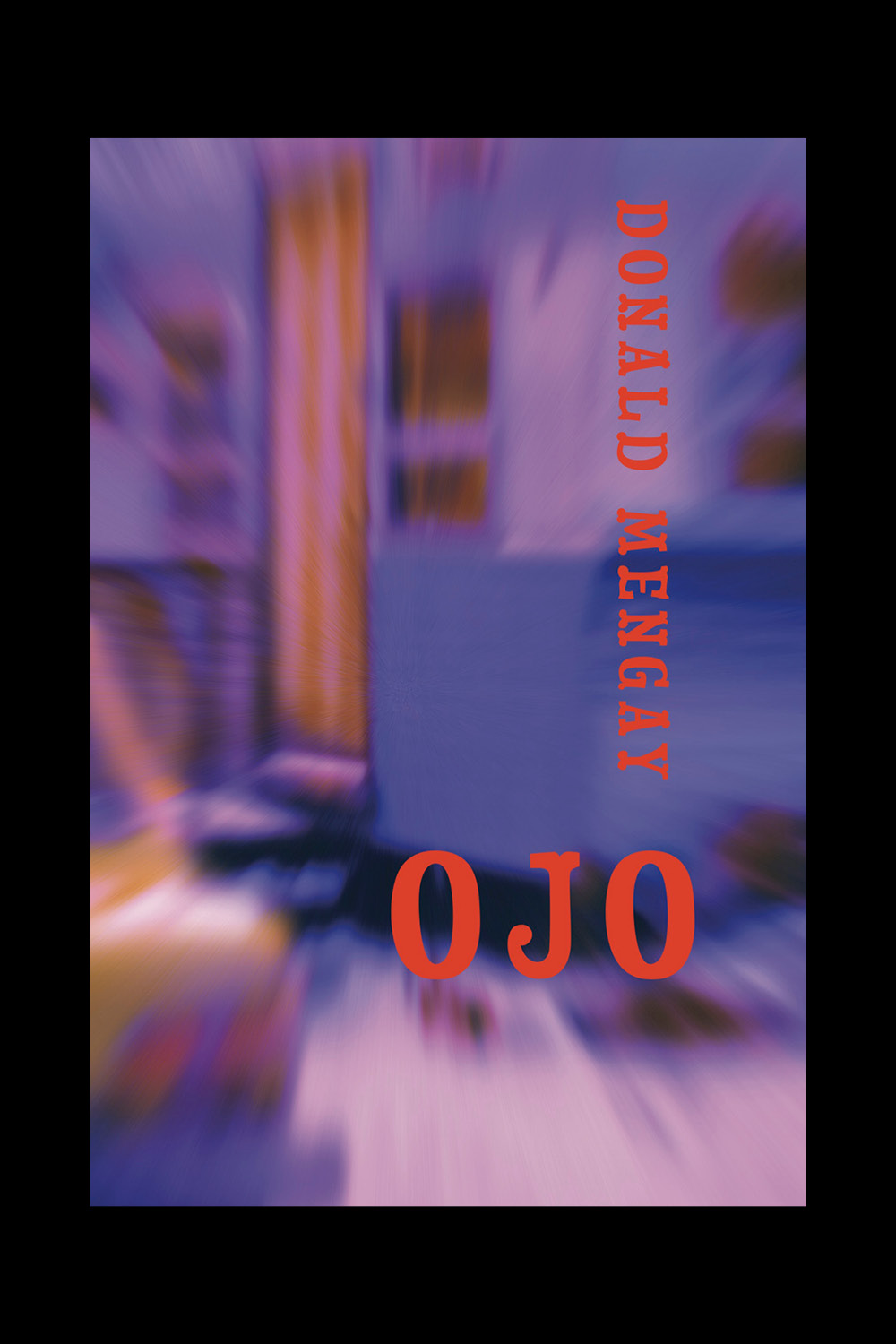
To run for your life and be naked, literally and figuratively; to be pursued by your past, eyed and tracked by those you left behind; to be penniless and know you have to build a new life from scratch--finding a way in the eye of that storm is what Ojo is about. It surveys the failures presented by old ways of doing things. It celebrates possibility, novel ways of creating a world, even as the old ways haunt a person. But most of all it's a story of finding love in the 1980's, in the west, in cowboy country, at the start of the HIV pandemic.
REVIEWS
"Ojo’s power comes from Mengay’s attention to the senses in scenes of home building, road tripping, boisterous get-togethers, earthy trysts (“Lips and beard abrade my skin, peel me like a tangerine”), and taking the dancefloor at a gay bar that’s like a “studded–and-buckled Araby of the west.” Especially moving is Mengay’s stripping away at the cast’s protective layers, revealing men who are wild and carefree with the narrator yet not free to be so in their everyday lives. Readers who relish uncompromising fiction of substance and ambition will find this wild, wise, and nourishing." —Booklife
"Mengay’s stream-of-consciousness prose is sometimes aligned with Jake’s perspective and sometimes ranges beyond him, but it always presents an inventive, lyrical view of the world. Here, Jake describes exiting a highway tunnel: “The thighs of the valley widen and I fly out. Double lines yellow and curve with the arc of the pavement, a snaking unusual at lower elevations given the pressures of getting from A to B in this endless, open country.” Mengay does not hold the reader’s hand—the cast is large and slow to take shape. . . . The joy is in the prose, infused at the line-level with yearning and melancholy. An impressionistic epic of self-discovery in the American west." —Kirkus Reviews
"Ojo is a giddy celebration of free love that thrived before the onset of the HIV pandemic in the 1980s. Youth and hormones meet in a queer cast that had known mainly harassment, violence, and even death up 'til then. In another sense it's the queer version of Love in the Time of Cholera, about the many difficulties caused by a mash-up of chance events, played out against the macho backdrop of the American West. What emerges are countless visual details that render the story cinematic, intimate and personal, and thus all the more tragic. Donald Mengay pictures a world in photographic richness, a world that could only have bubbled up from raw experience and memory. It is a form of visual culture captured in words." —Hrvoje Slovenc, Photographer and Filmmaker
ISBN 99798990054325 2024 $25 Kindle $9.99